

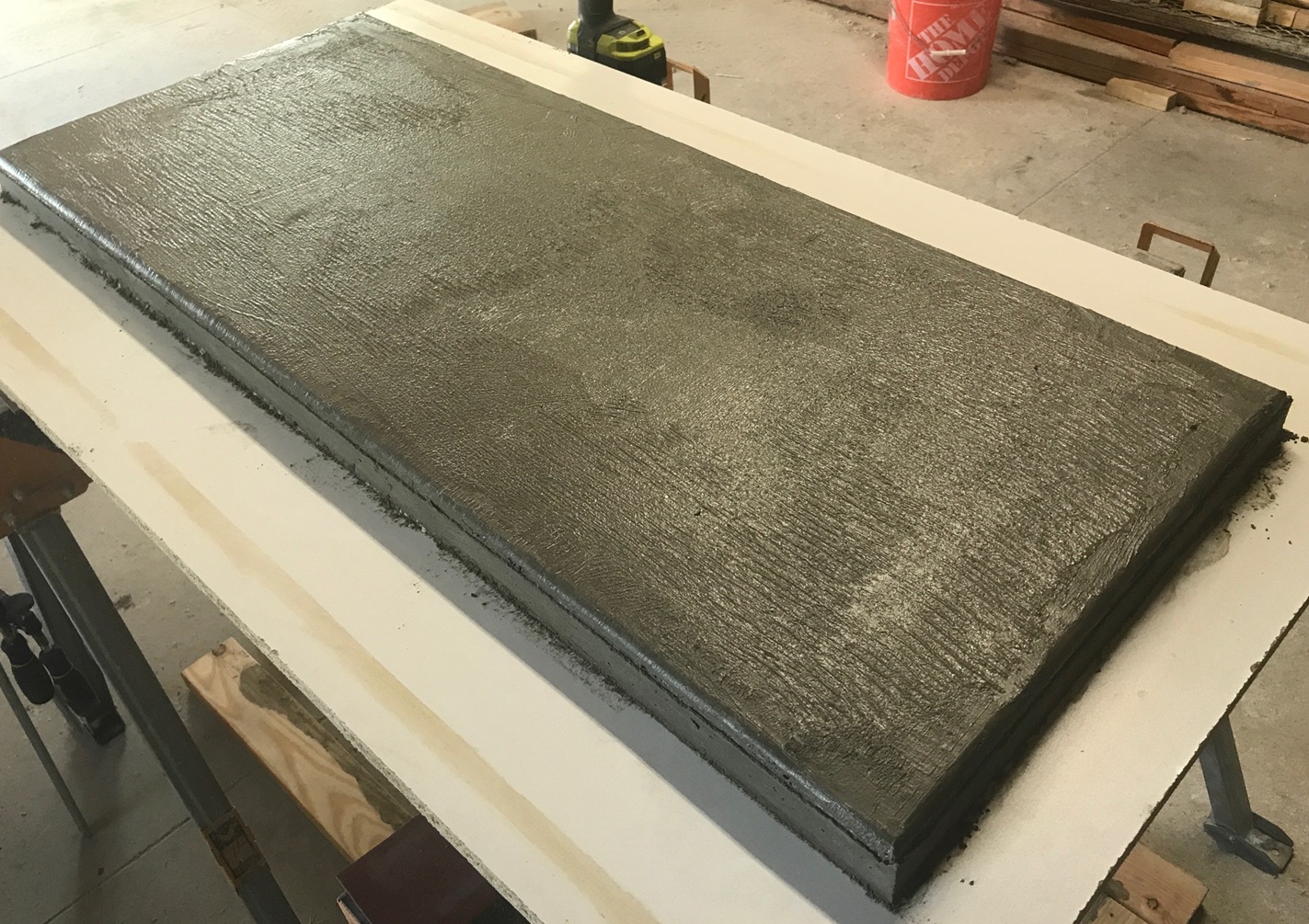

Benefits of Green Cement
Reduced Environmental Impact: Green cement significantly lowers CO2 emissions compared to traditional Portland cement, minimizing the overall carbon footprint of construction projects and addressing environmental concerns.
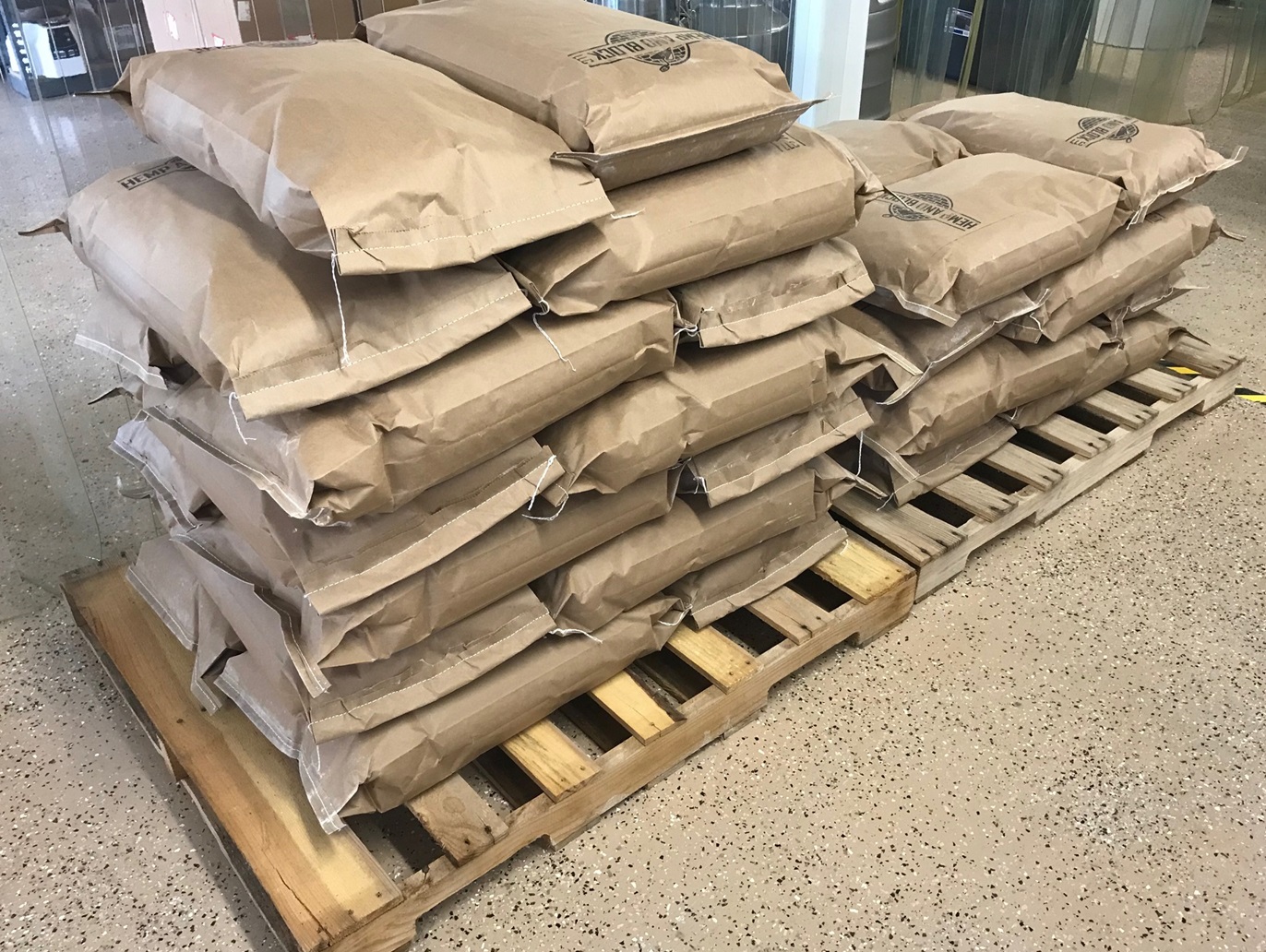
GREEN CEMENT by Hemp and Block has an incredibly low emissions footprint. Here are some numbers for comparison:
Hydrated lime, when produced, typically generates about 0.79 tons of CO2 emissions for every ton of lime produced. This is primarily due to the calcination process where limestone (calcium carbonate) is heated to produce lime (calcium oxide), releasing CO2.
“Fast-Setting Natural Cements” created in Europe have a similarly high level of CO2 emissions: about 0.79 tons of CO2 for every ton produced.
Ordinary Portland Cement has the highest emissions, at 0.8 to 0.9 tons of CO2/ton produced.
By comparison, GREEN CEMENT by Hemp and Block only generates 0.53 tons of CO2 for every ton of binder produced! A staggering low 0.53 vs 0.79 translates to a 33% lower footprint than other products in the market. And about 40% lower than Ordinary Portland. Eco-friendly with structural strength.
Enhanced Durability and Longevity: Green Cement provides superior resistance to chemical damage (including Alkali Silica Reaction) and weathering, leading to longer-lasting structures that require less maintenance over time. This binder’s unique mineral composition is designed to maximize production of C-S-H (Calcium-Silicate-Hydrate), the bonding paste that makes concrete’s ingredients stick together. Aluminate minerals are included to form C-A-S-H. These mineral reactions are catalysts that will densify and strengthen the concrete mix.
Improved Structural Performance: GREEN CEMENT’s increased bonding and density enhances compressive strength and overall integrity, making it suitable for demanding applications without compromising quality.
Support for Sustainable and Energy-Efficient Buildings: It enables compliance with green certifications (e.g. LEED) and facilitates the creation of eco-friendly infrastructure, promoting energy efficiency and resource conservation in urban development.
Green Cement for construction
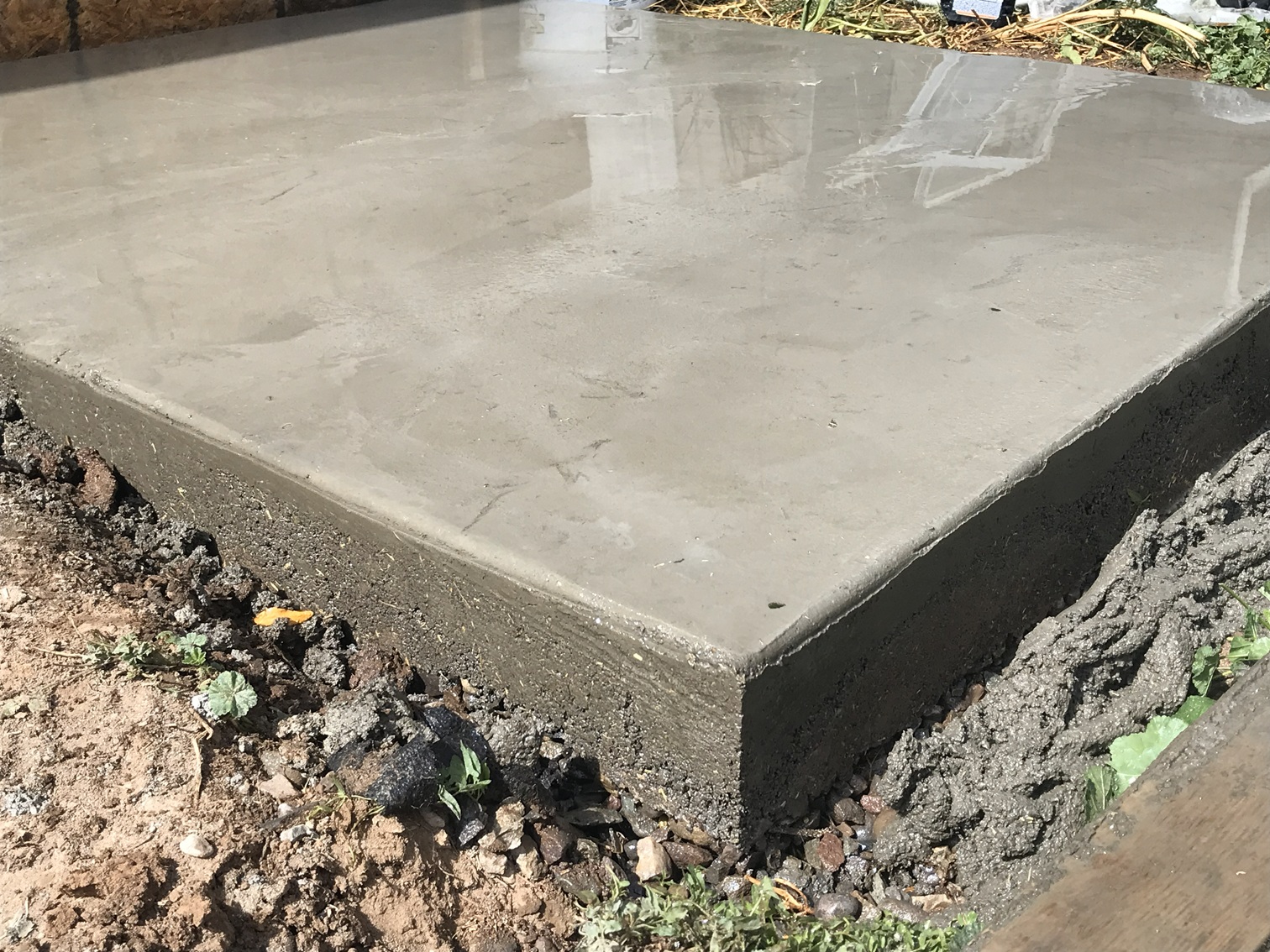
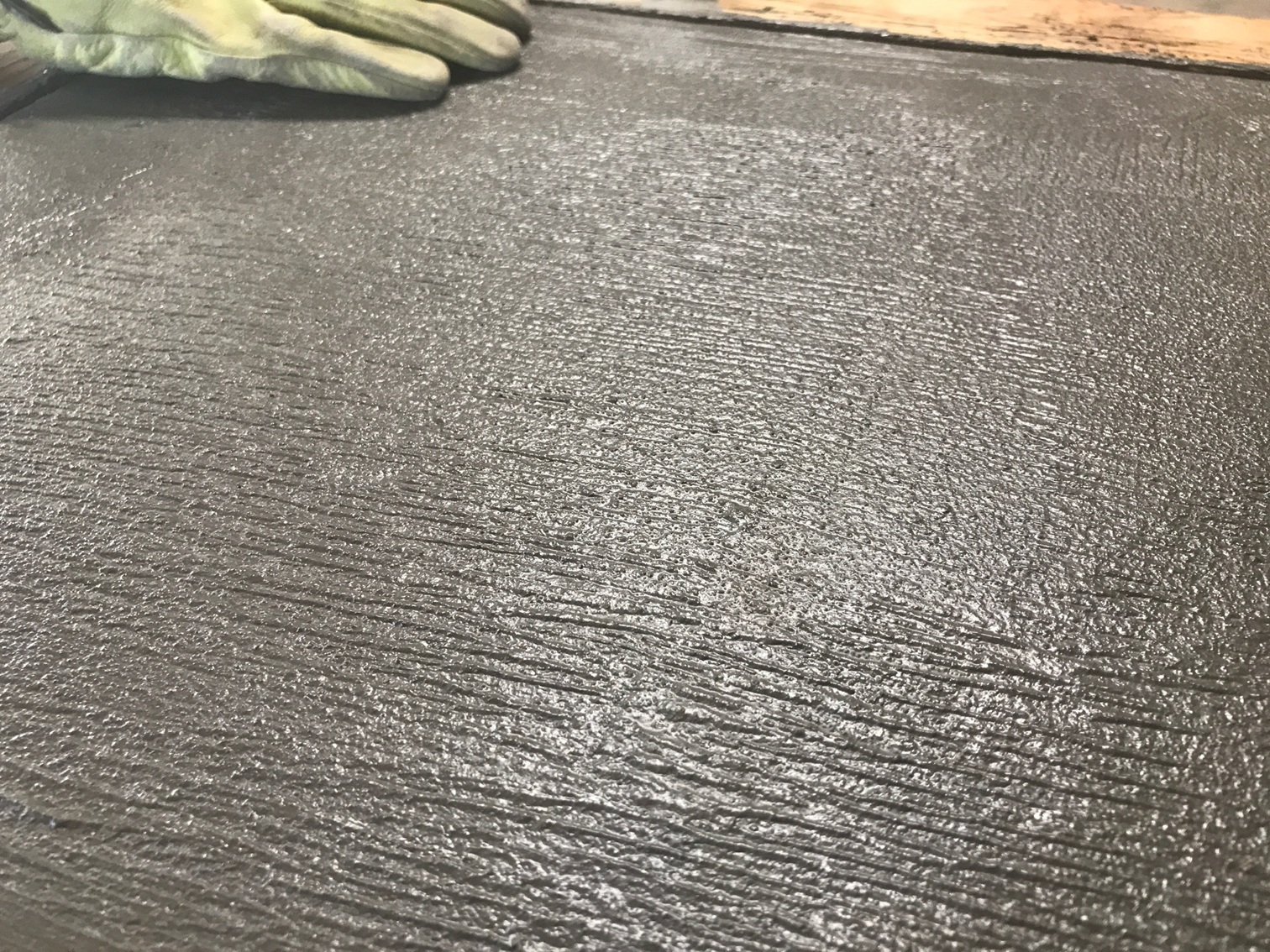
Concrete: As a replacement for generic Portland cement, GREEN CEMENT is used as a direct replacement when mixing concrete.
Typical mix ratio for basic concrete, by volume:
1 part cement
2 parts sand
3 parts crushed stone
+ water
For stronger mixes, such as for foundations and slabs:
1 part cement
1 part sand
2 parts crushed stone
+ water
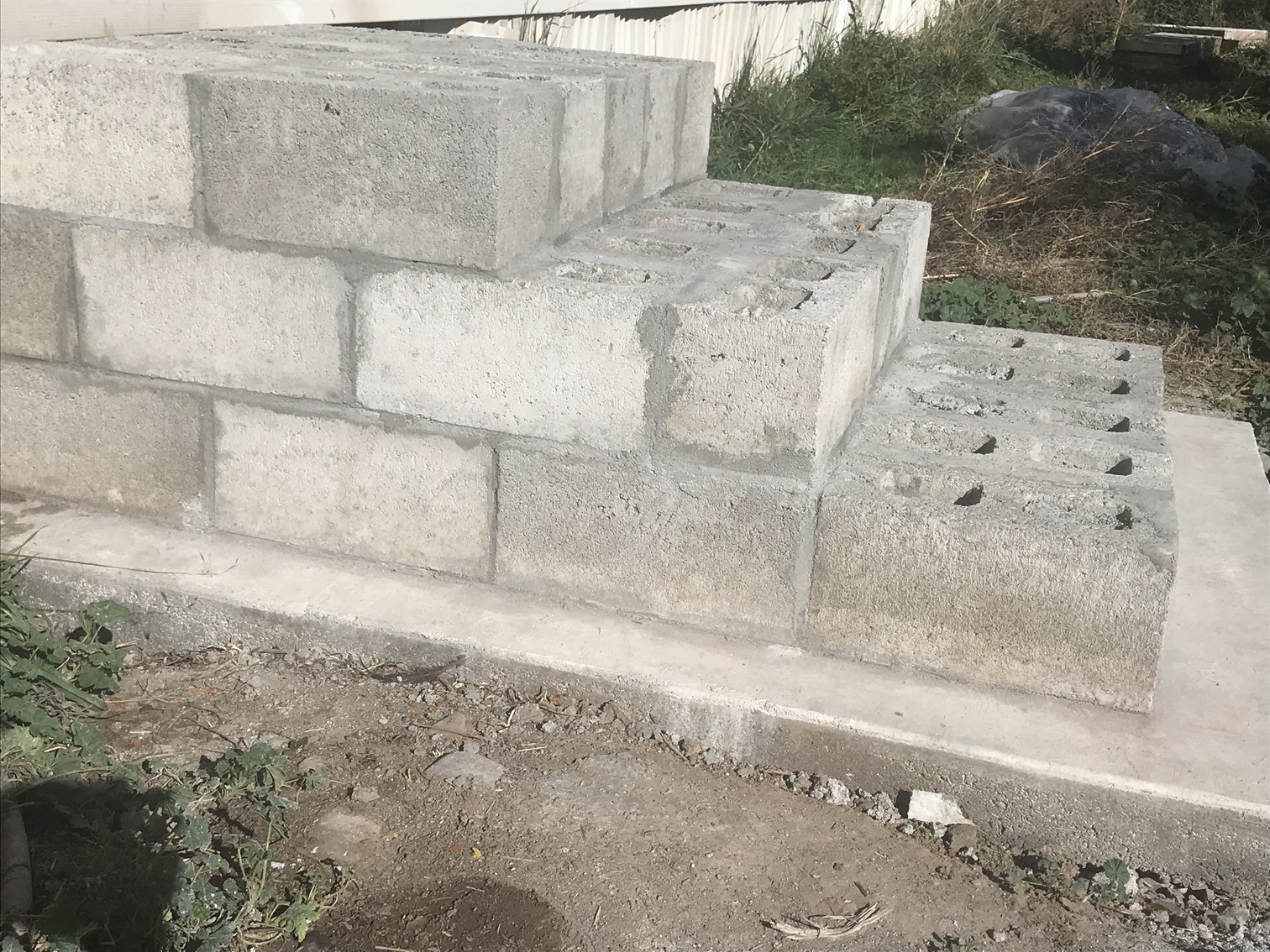
Mortar: To make mortar for laying block and stone, GREEN CEMENT can be mixed with hydrated lime (Type S) and water. The following ratios are by volume. Water is added until desired workability is reached. Mortar should stick to a trowel when ready; scoop some mortar, flick the trowel a few times, then hold it upside down. The mortar will stick to the trowel and not fall off. Too thin means too much water in the mix.
Type N mortar for above grade, general load-bearing construction: 1 part GREEN CEMENT + 1 part lime + 6 parts sand
Type S mortar for heavy stone, structural, and use above or below grade such as for patio pavers: 1 part GREEN cement + 1/2 part lime + 4-1/2 parts sand
Type M mortar for below-grade masonry, heavy foundations, high wind zones: 1 part GREEN CEMENT + 1/4 part lime + 3-3/4 parts sand
Questions about ordering and using these natural building materials? Give us a call at 970-318-0479 or get in touch using our Contact Page.
Reviews
There are no reviews yet.