


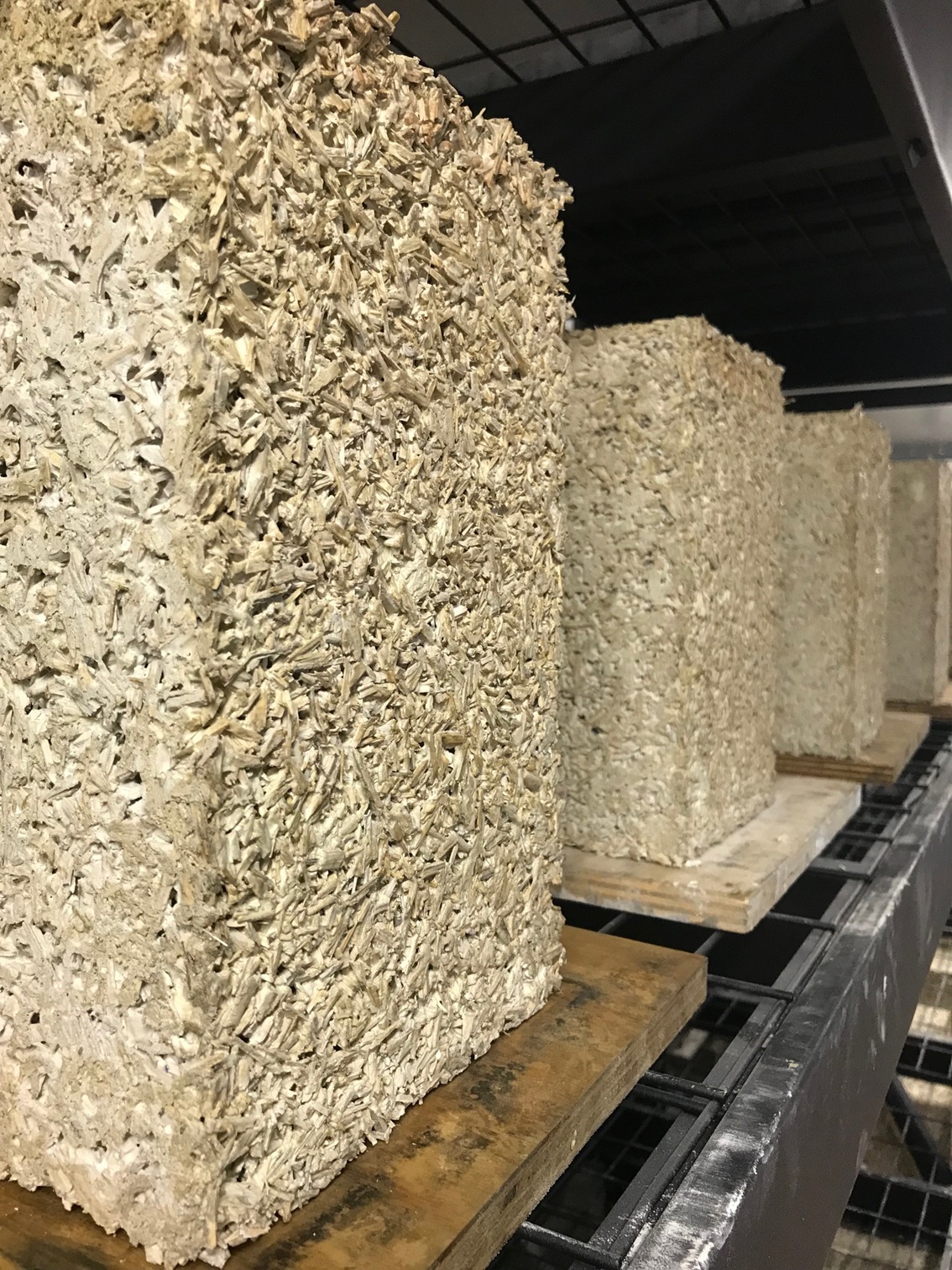
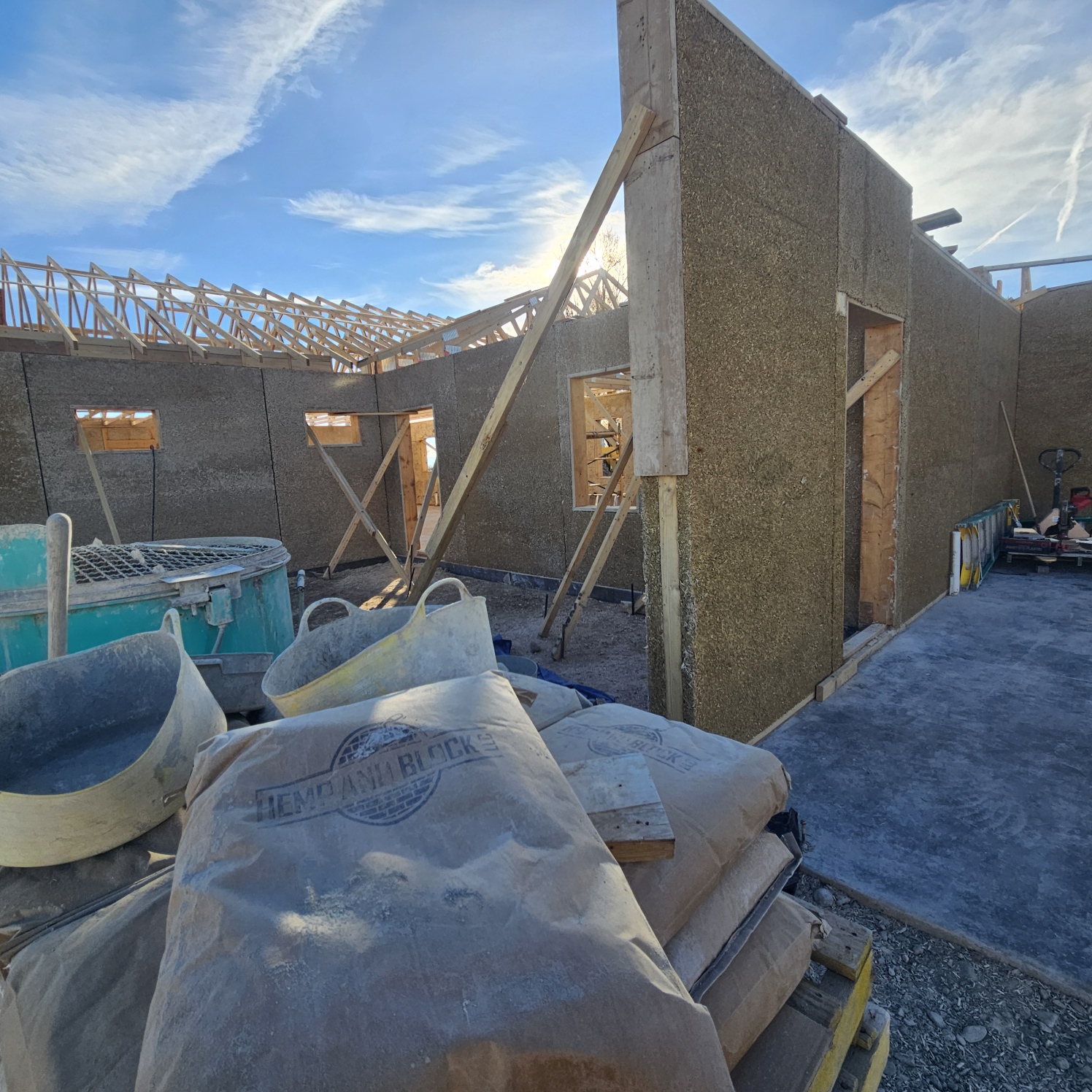
What makes a really good hempcrete binder?
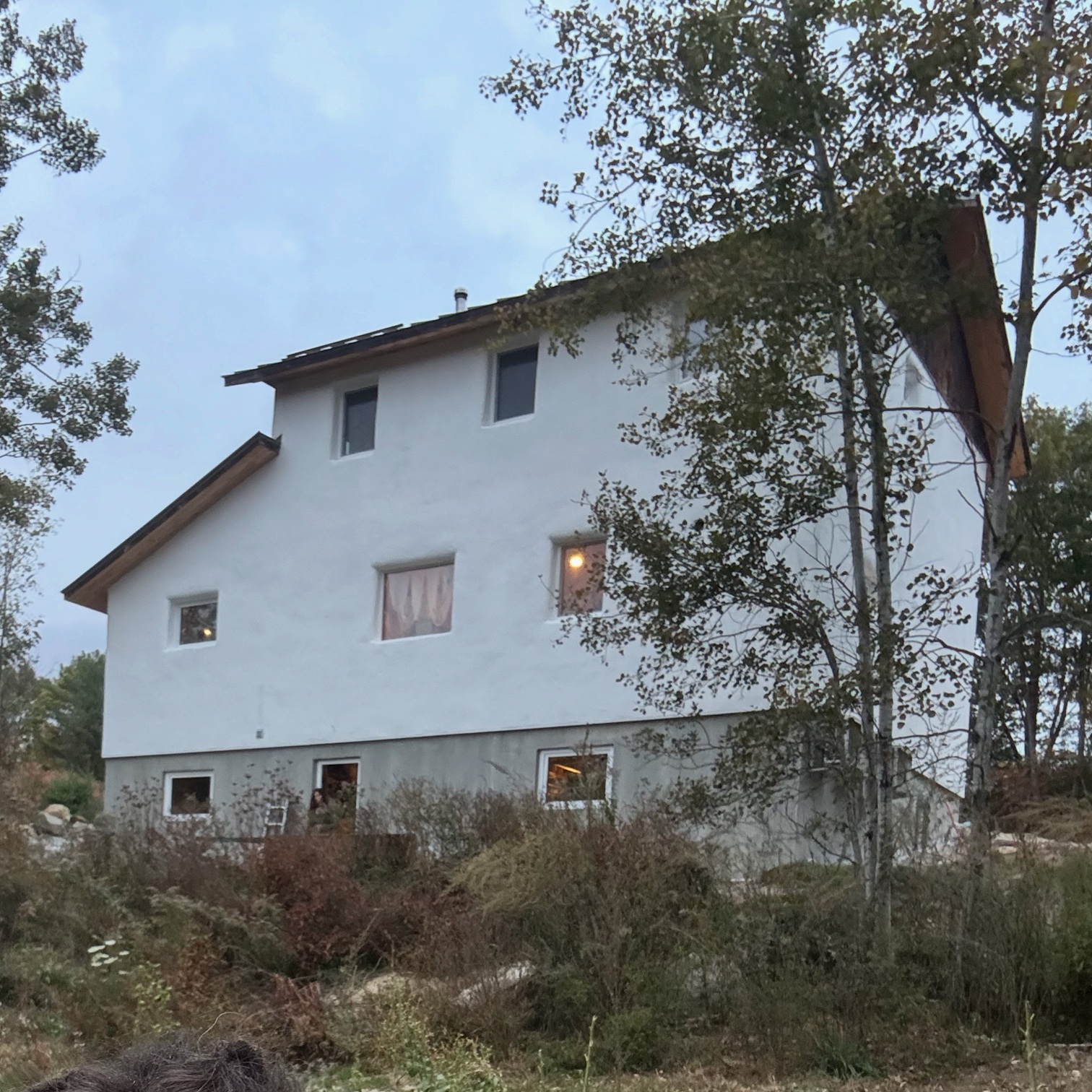
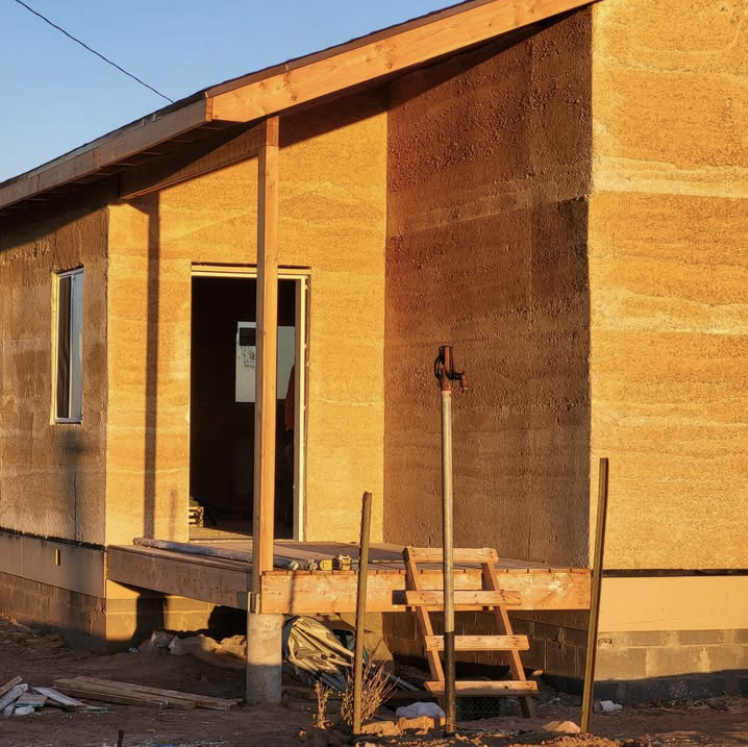
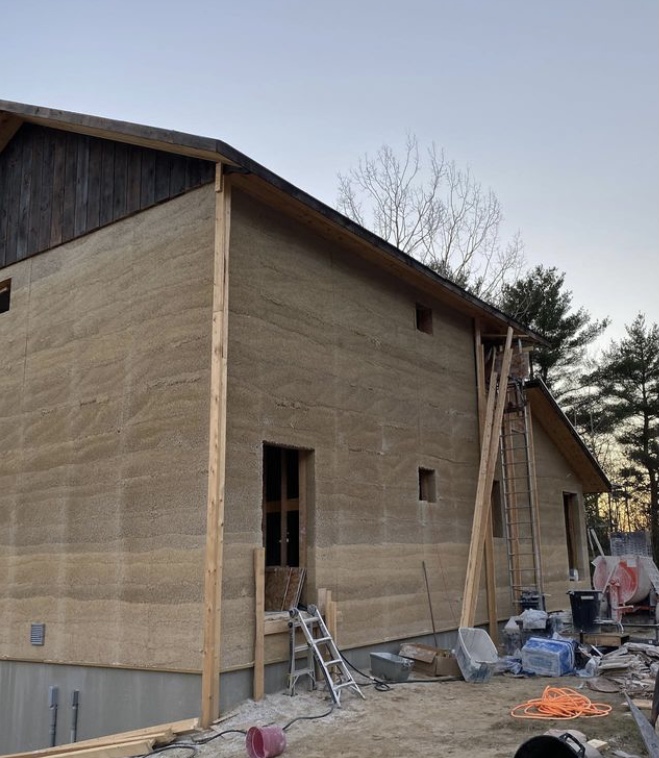
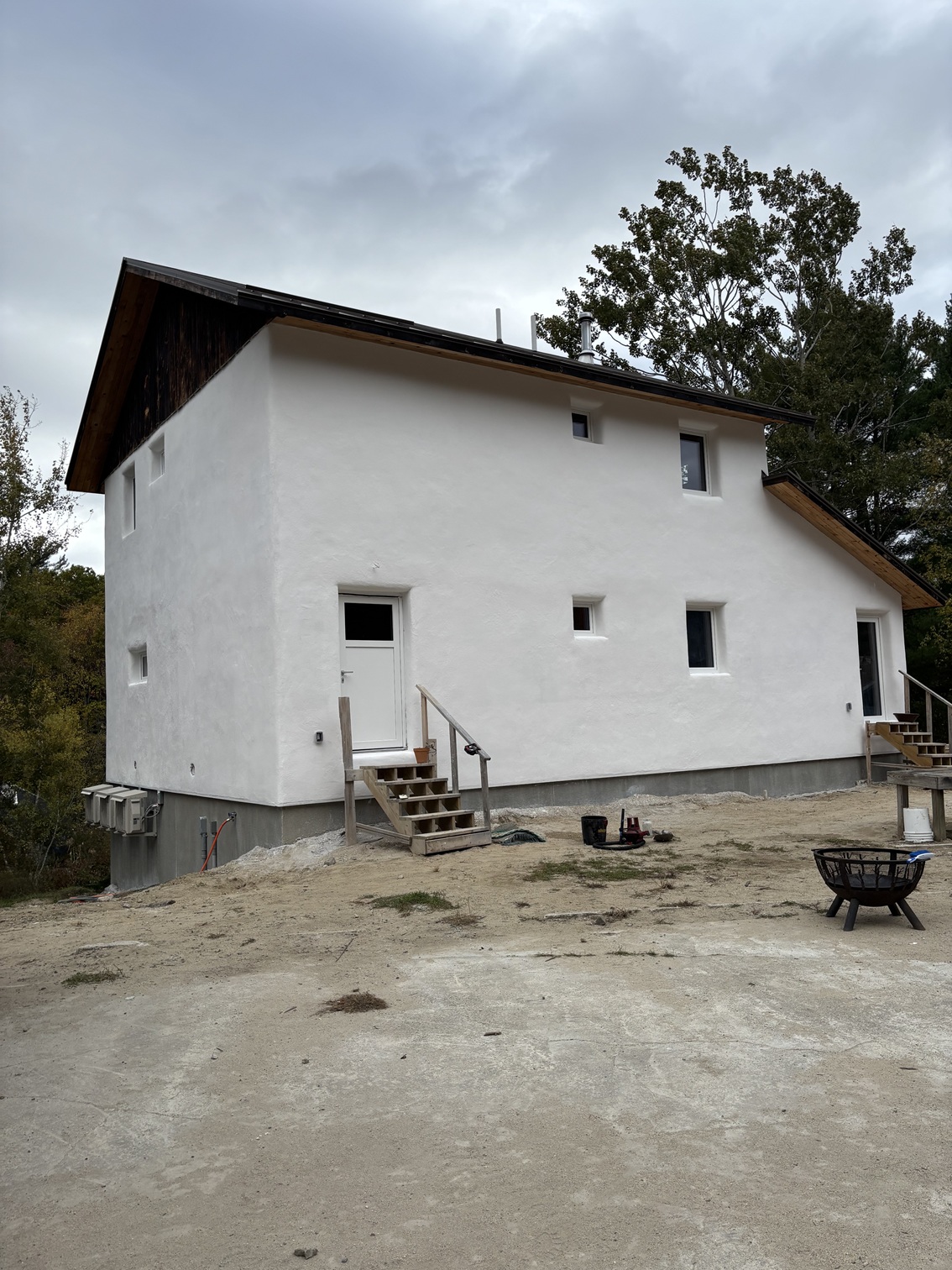
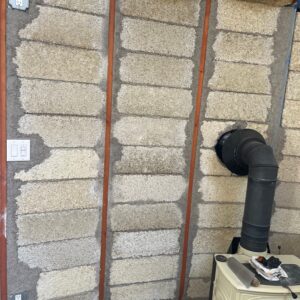
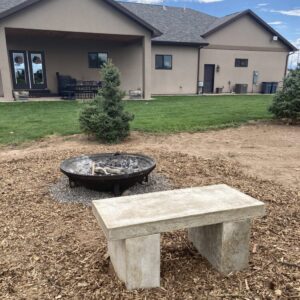
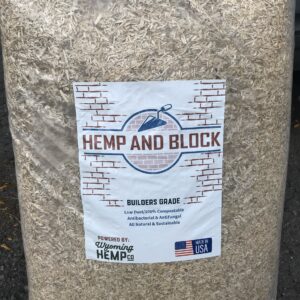
As seen on our Hempcrete Project Gallery page, our hempcrete binder blends have been used successfully to build hemp homes in different areas throughout the USA. One project was even awarded a Green Design award and our company Hemp and Block is featured as the manufacturer of that binder.
Hempcrete binder refers to a lime-based masonry binder used to make hemplime insulation (hempcrete). You can read more on the basics of hempcrete and binder on the About Hempcrete Page.
The challenge, though is that hempcrete binder could be a lot of different things… giving a lot of different results.
So what makes a really good hempcrete binder?
It starts with hydrated lime but as you will learn, that’s not enough on its own!
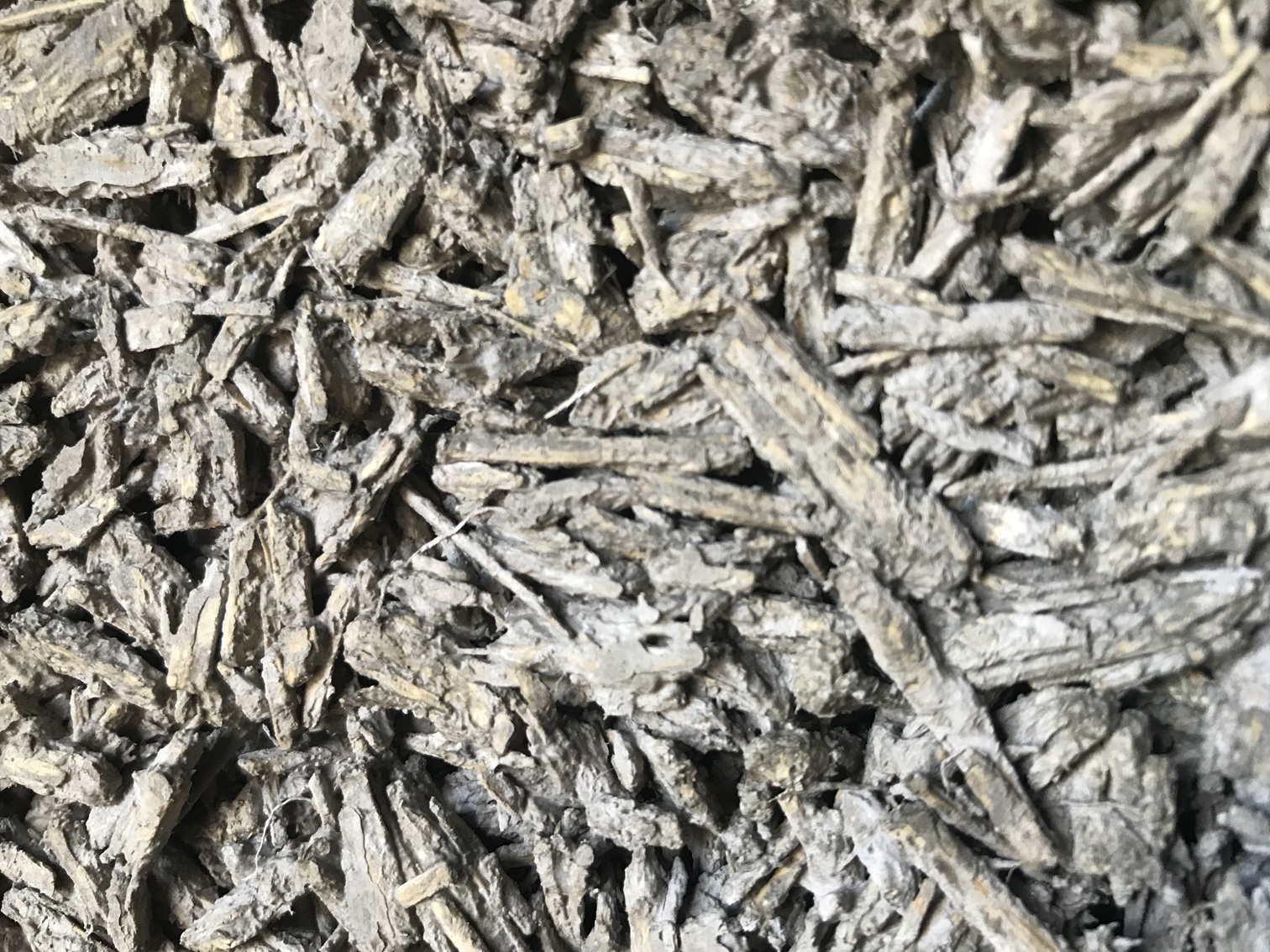
Hydrated lime (air lime, non hydraulic) is usually the primary component of hempcrete binders, and is often used to make interior plaster, but it does not make a really good hempcrete binder on its own. When hydrated lime is mixed with water and exposed to air, it begins to re-carbonate by pulling CO2 from the air and developing back into a stone-like state. Although super cool and sustainable, the process is long and slow, with any meaningful thickness of lime + sand (plaster) or lime + hemp taking lots of time to develop strength.
In the mean time, this undeveloped mix would be at risk from exposure to excessive moisture, humidity, temperature and more, which can jeopardize the building project’s quality.
The best hempcrete binders are lime-based but include some form of reactive minerals or pozzolan. Pozzolan refers to the silica minerals sourced from volcanic ash and used in historic Roman concrete/masonry projects. Pozzolans are not cementitious by themselves, but when mixed with lime in the presence of water, form cementitious compounds.
This is how the Romans were making their hydraulic lime and natural cements.
Why lime + pozzolan is a better hempcrete binder than hydrated lime alone
When the Romans mixed lime + pozzolan, they were making hydraulic lime. Hydraulic lime continues to set and harden and strengthen in the presence of water, unlike plain hydrated lime that will deteriorate and crumble if left exposed or oversaturated by water.
The difference, in terms of mineral chemistry, is that lime + pozzolan + water creates Calcium Silicate Hydrate, the bonding gel that gives cement it’s binding effect, making sand and stone stick together to make concrete. With some pozzolan that includes alumina as well, such as the natural pozzolan we use for our products, you are creating Calcium Aluminum Silicate Hydrate compounds.
And you get a better hempcrete binder when you are creating lots of CSH or CASH, everything sticks together better and sooner, than using hydrated lime by itself and hoping it will re-carbonate sometime this century.
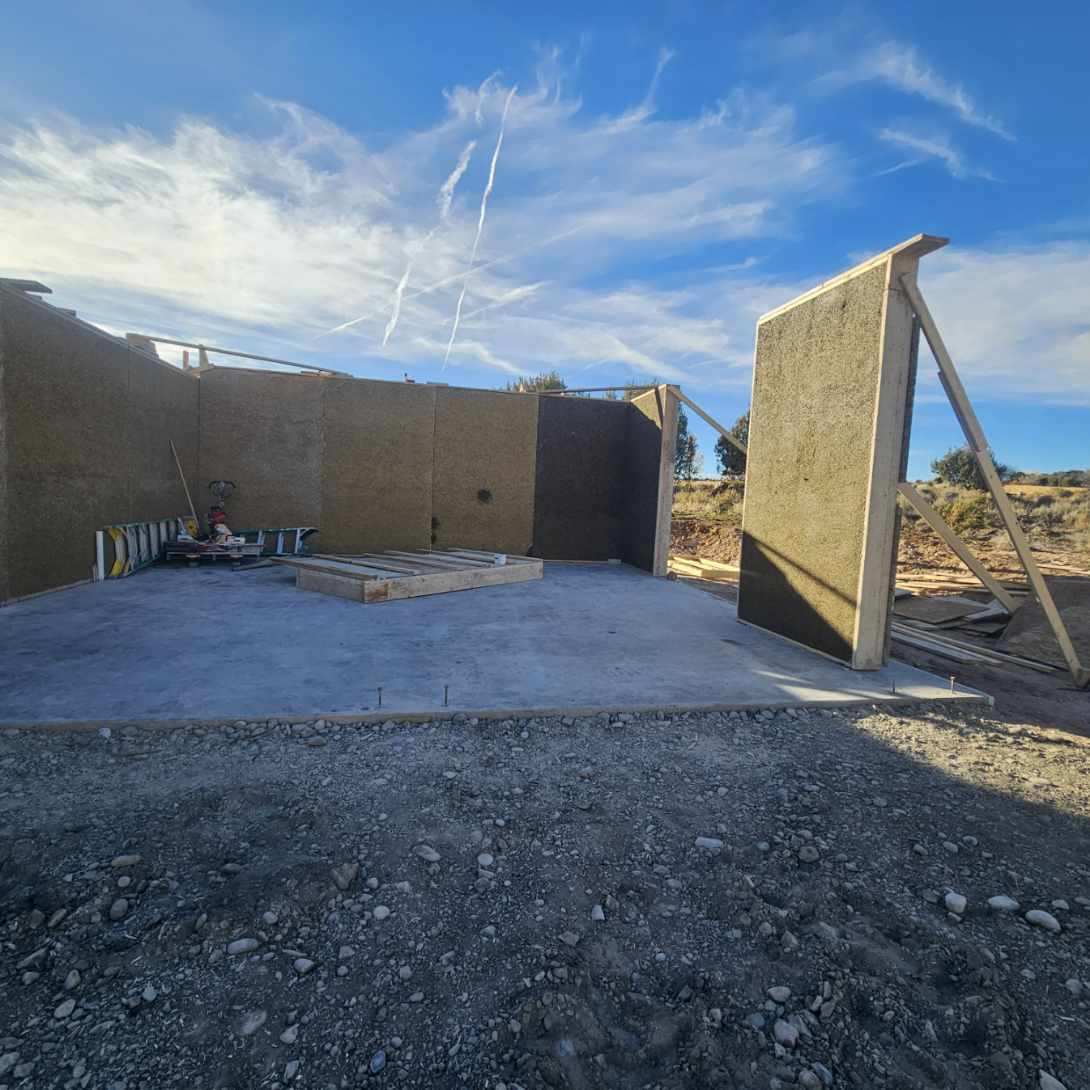
Making hempcrete binder since 2018
Our hempcrete binder, proudly Made in USA with American minerals only, produces lots of the bonding gel (C-S-H) that makes it all stick. These proprietary blends are designed for performance and longevity. It took experimentation with more than 21 different formulas over the course of 3 years of research and development before perfecting this special hempcrete binder.
The result is quality you can trust to build with.

A special history
Our hempcrete binder and mix designs are based in part on the most magnificent, long-standing structures of human history. Notably, the Roman Pantheon, still standing proud after nearly 2,000 years. The Pantheon is a marvel of engineering, as the worlds largest unreinforced (e.g. no “steel rebar”) concrete dome, at 142 feet in diameter. And the foundation of Roman concrete, was the combination of volcanic ash pozzolan and powdered limestone.

For a modern rendition of Roman pozzolanic lime, see our American Hydraulic Lime™.
Shipping options
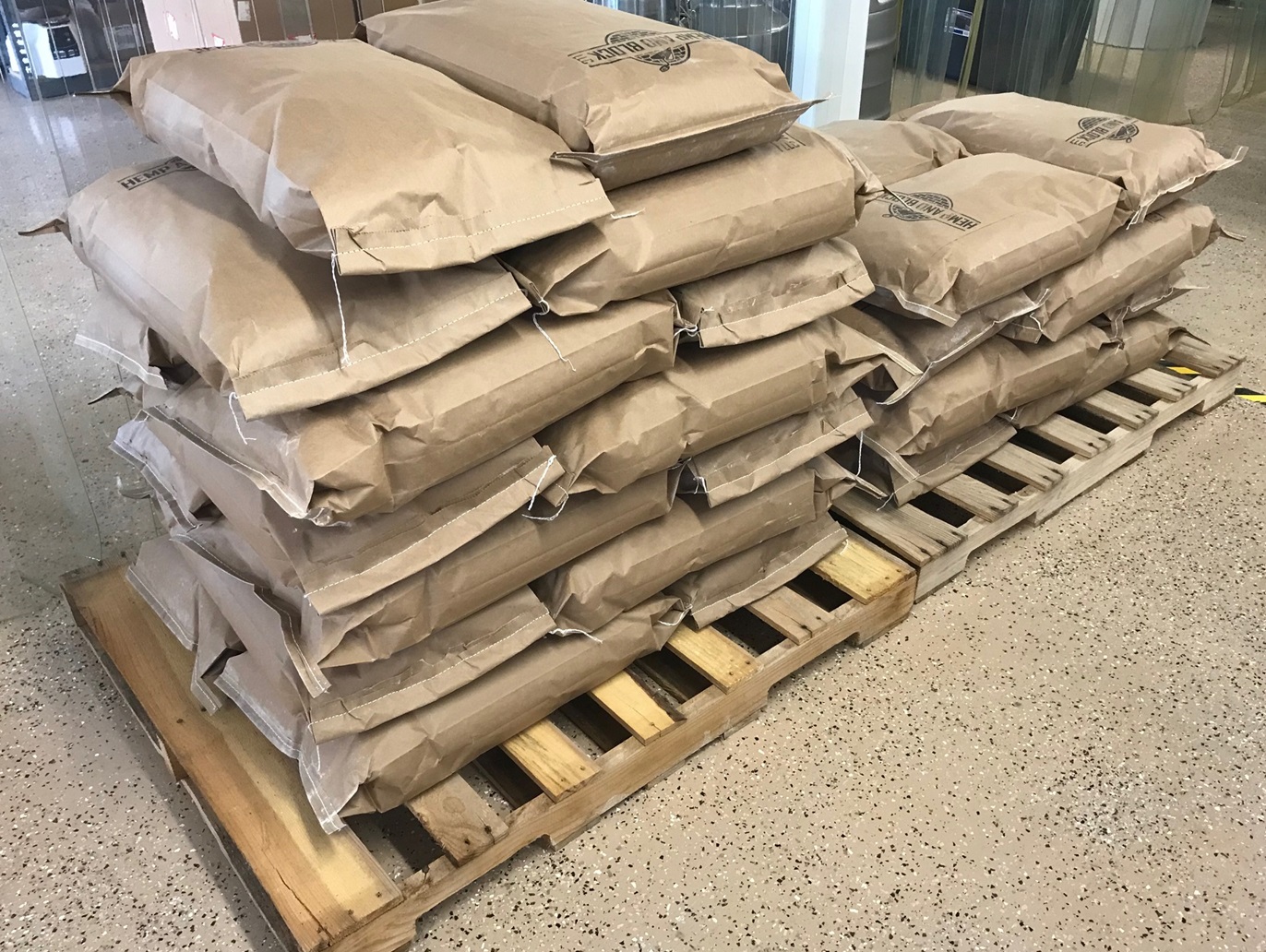
The shopping cart is setup with FedEx Ground delivery for smaller orders, such as 1-2 bags. For larger orders, contact us for a free freight quote.
Reviews
There are no reviews yet.